

Best Freeze-Dried Meals for Hiking and Camping
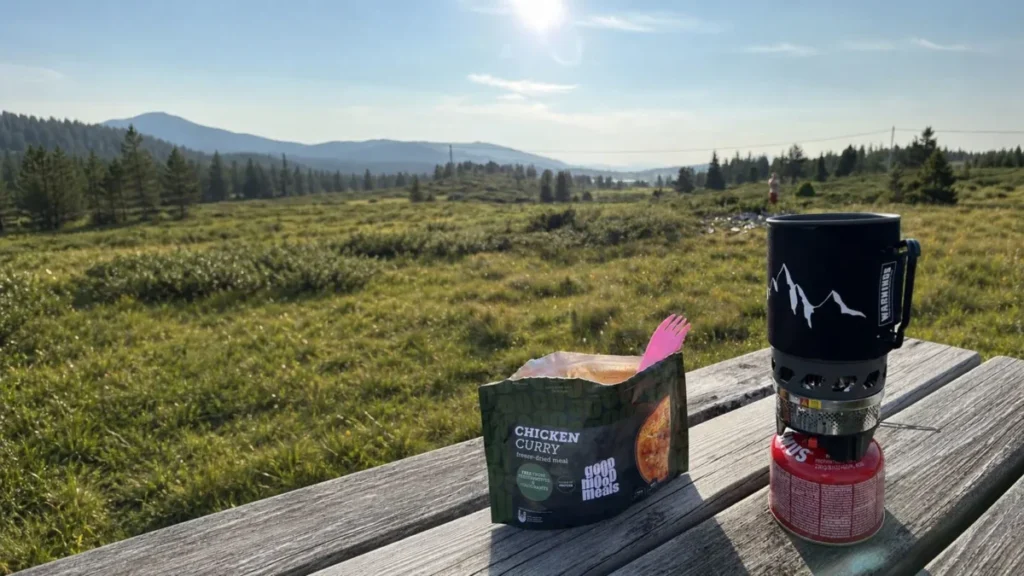
The best freeze-dried meal is not one universal recipe. It is the option that fits your route, pack weight, meal schedule, dietary needs and access to hot water. This practical guide compares Good Mood Meals products by use case, using only details published in the current product catalogue.
If you want to understand the format before comparing products, start with our complete guide to freeze-dried meals. When you are ready to browse, you can view the full freeze-dried meal range or shop all Good Mood Meals products.
How to choose freeze-dried food for your trip
Begin with the trip, not the product name. A lightweight individual pouch may suit a hiker carrying every item, while a larger assortment may be more practical at a campsite or in a home emergency kit. Use these five checks before deciding:
- Trip length: map breakfast, lunch, dinner and any snacks for each day rather than estimating by pouch count alone.
- Pack weight: compare the listed dry weight of individual products and remember that you must also carry or obtain water.
- Preparation: check the instructions printed on each pouch. Water quantity and waiting time vary by recipe.
- Meal type: combine breakfasts, main meals, soups and desserts instead of packing several similar dishes.
- Ingredients and allergens: read every product label. Dietary preference categories are useful for browsing, but the product information should make the final decision.
Quick comparison of Good Mood Meals options
This table is a planning shortcut, not a ranking based on awards or customer reviews. The product type, dry weight and pack contents below come from the staging catalogue. Confirm the current product page and package label before your trip.
| Option | Catalogue type | Published pack detail | Practical use case |
|---|---|---|---|
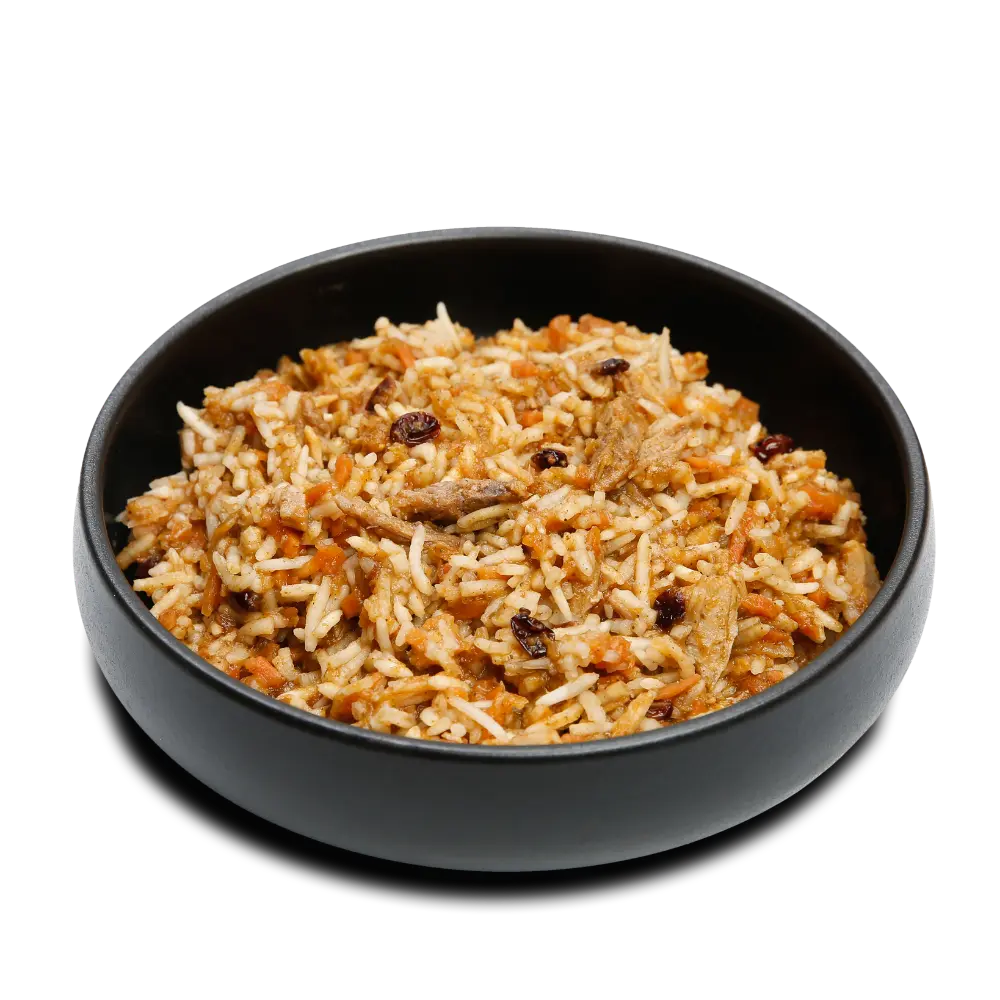
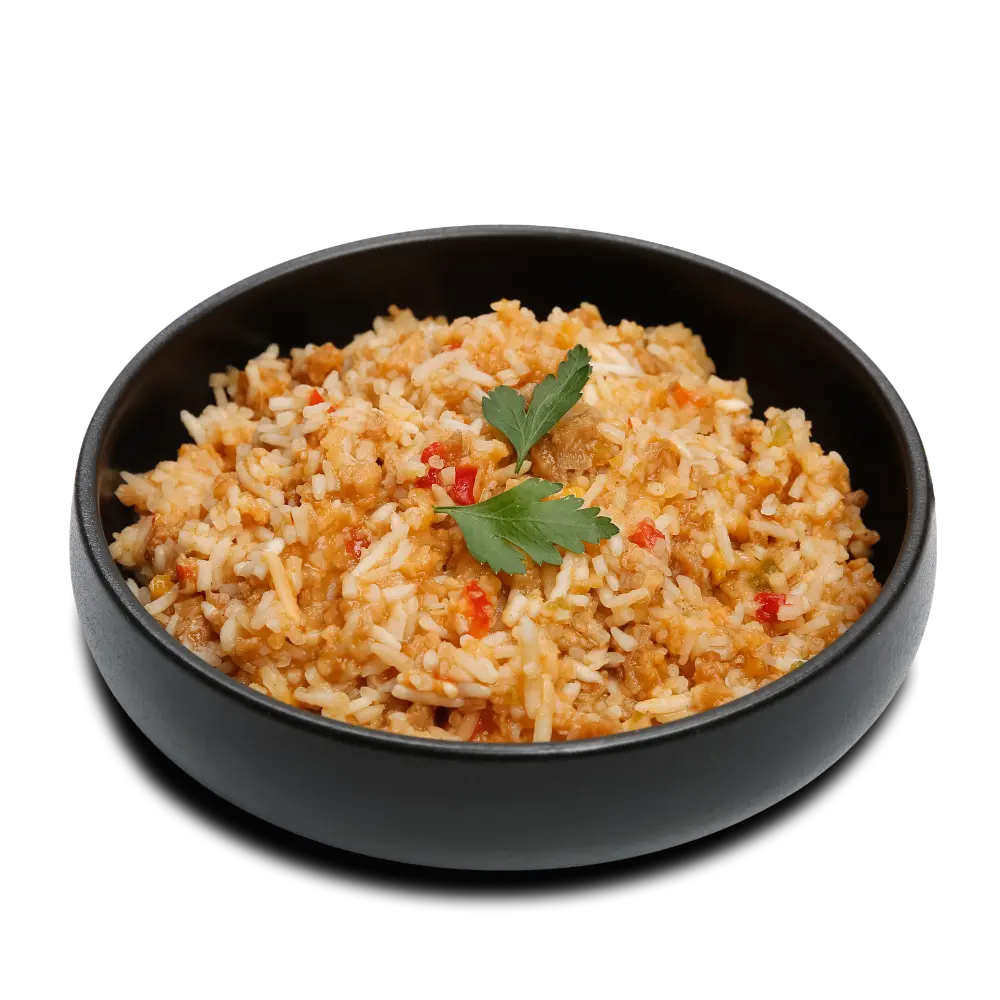
| Chicken Pilaf | Main meal | 100 g dry weight | A compact individual main-meal option for a hiking or travel meal plan |
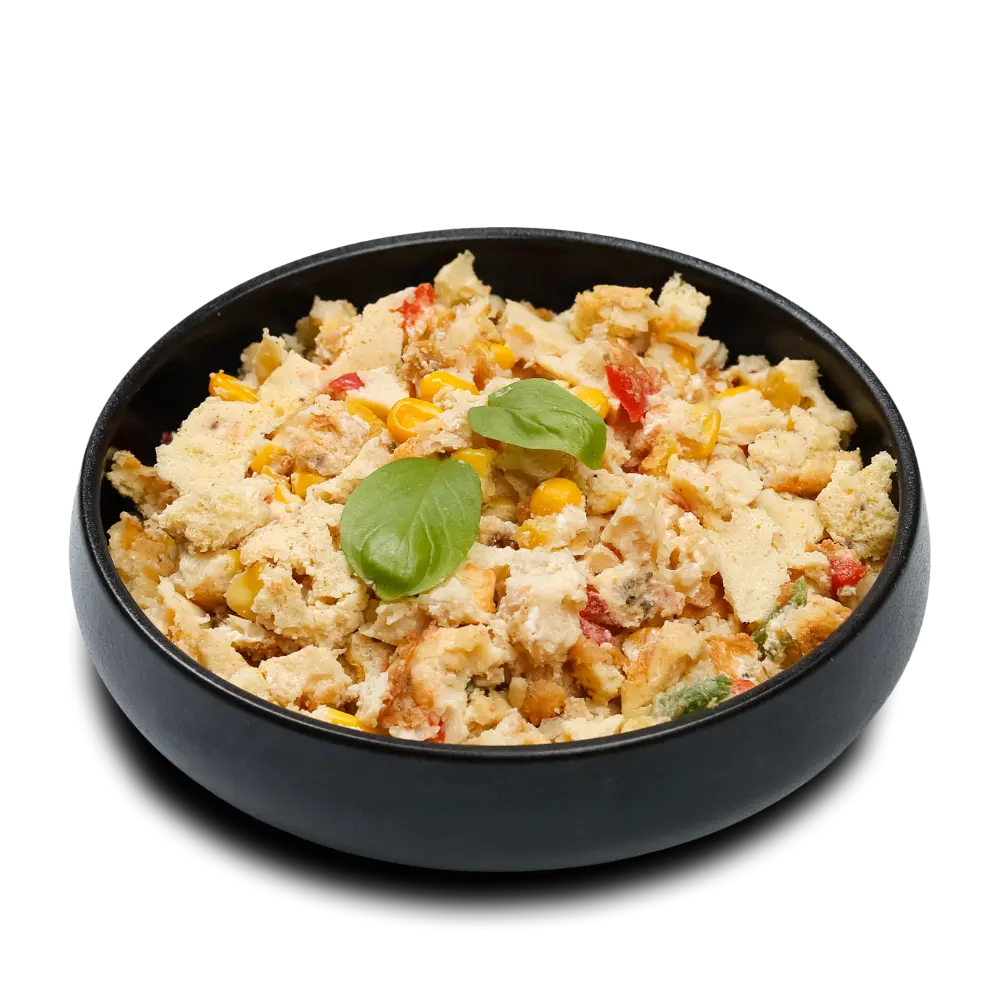
| English Breakfast | Breakfast | 80 g dry weight | A breakfast option when planning more than one meal in a day |
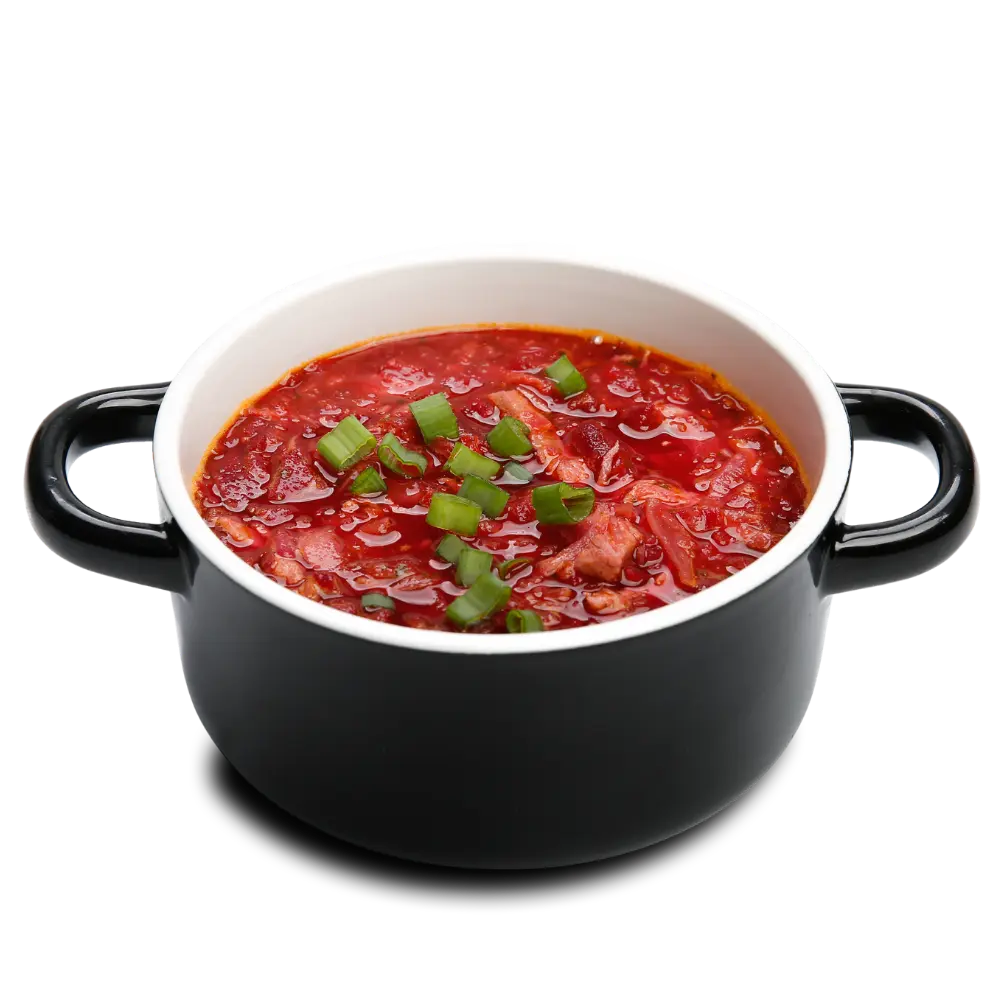
| Vegetarian Lentil Soup | Vegetarian soup | 65 g dry weight | A lighter vegetarian option and a warm soup course |
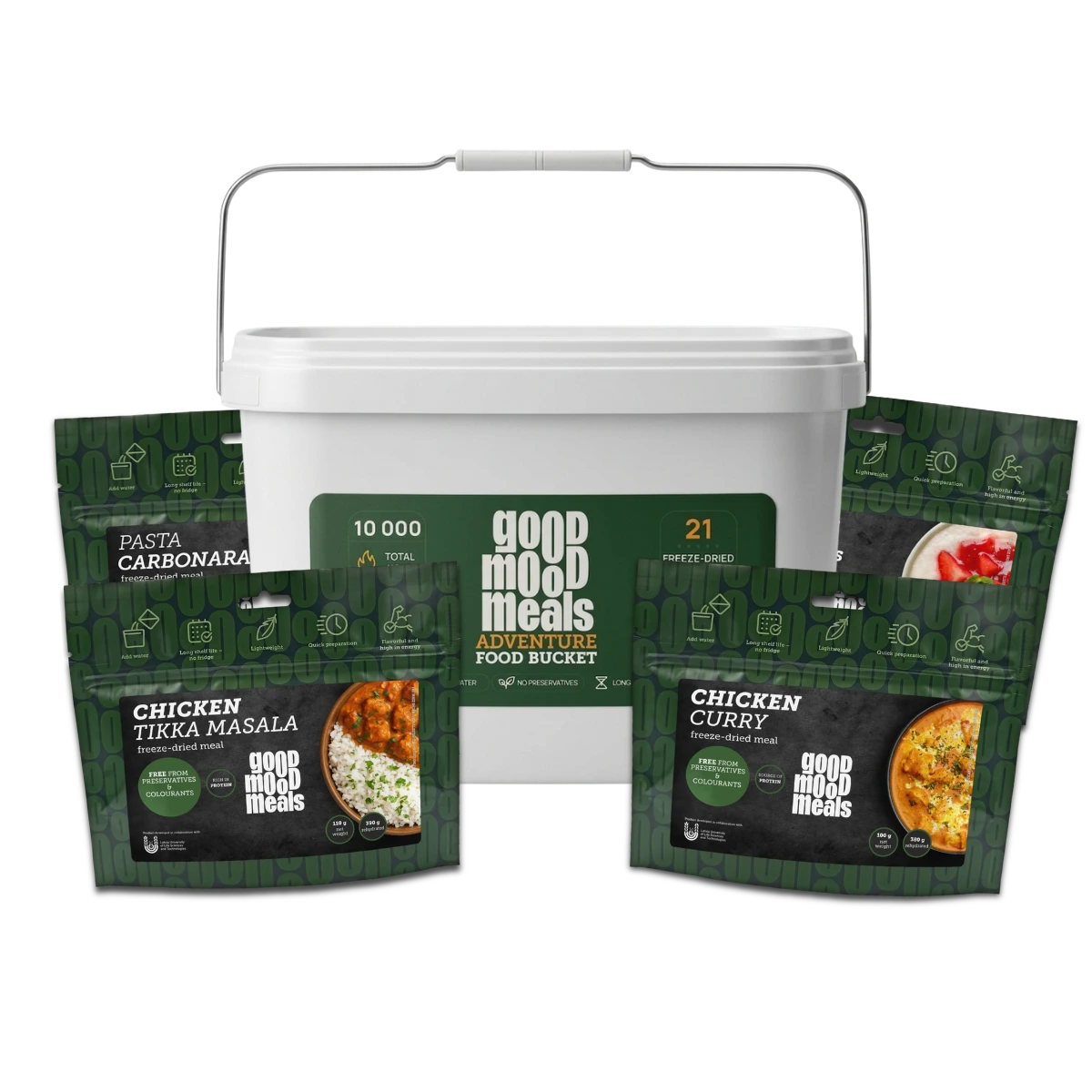
| Adventure Food Bucket | Meal kit | 21 breakfasts, mains and desserts; 3 kg listed weight | A multi-meal assortment for a fixed camp, vehicle or stored supply |
| 72-Hour Meal Kit | Meal kit | Meals, snacks, drinks and accessories; 1.5 kg listed weight | A structured three-day kit where a pre-grouped supply is useful |
Best for hiking: individual meals matched to your route
For hiking, “best” usually means the meals that fit your daily plan without adding unnecessary bulk. Individual pouches let you choose each breakfast, soup, main meal or dessert separately. The catalogue currently lists Chicken Pilaf at 100 g dry weight, English Breakfast at 80 g and Vegetarian Lentil Soup at 65 g. Those numbers help with pack planning, but they do not tell you which recipe suits your energy needs or dietary requirements.
Build a simple itinerary: assign a meal to each planned stop, check the exact water requirement on its packaging and identify where you can safely heat or obtain water. Carrying a light pouch is only useful if your water and stove plan also works. For preparation details, read our step-by-step freeze-dried meal guide.
Best for backpacking in Europe: variety with clear label checks
Multi-day backpacking adds two decisions: how much variety you want and how often you can restock. A mix of categories makes the plan easier to review before departure. For example, choose from the breakfast range, add individual main meals, and use soups or desserts only where they fit your schedule.
Do not choose by category name alone. Read the ingredient and allergen information on each product page and again on the physical package. This is especially important when travelling with several people or crossing borders, because one shared assortment may not suit every traveller. If you want a simple introduction to several Good Mood Meals products, the Adventure Starter Pack is presented in the catalogue as a selection for hiking, travel and outdoor meal planning; check its current contents before ordering.
Best for camping: choose between flexible pouches and a larger assortment
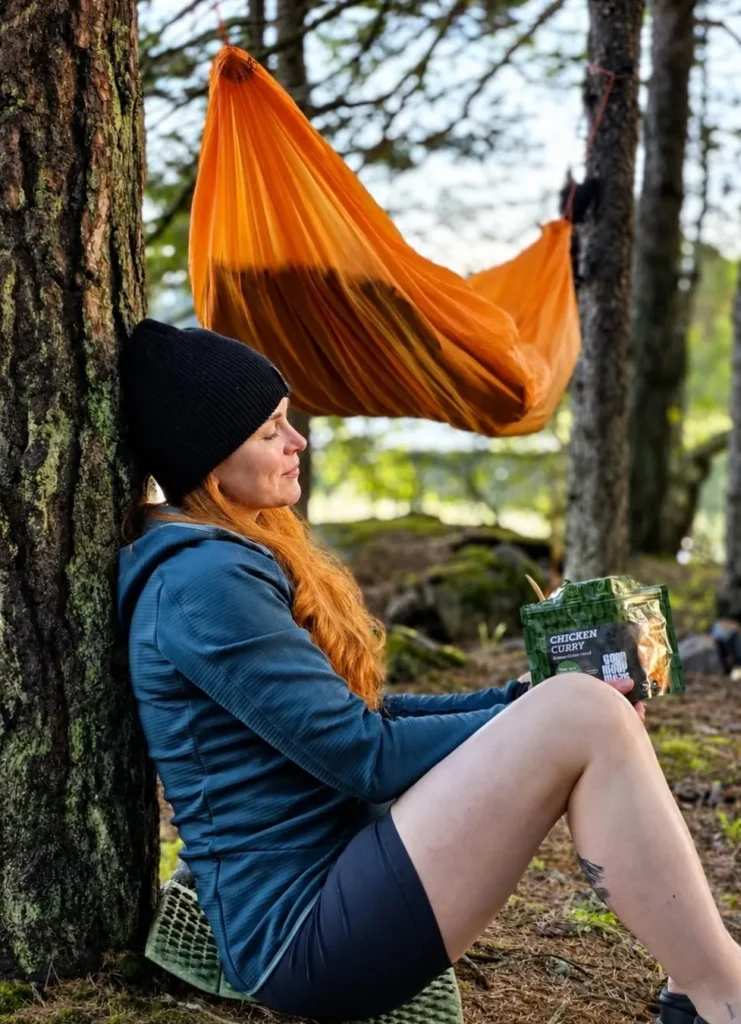
At a campsite, you may be less constrained by pack weight than a long-distance hiker. That can make a larger assortment practical, particularly when supplies stay in a car, camper or fixed base. The Good Mood Meals Adventure Food Bucket is described as a 3 kg portable bucket containing 21 breakfasts, mains and desserts. It provides variety in one container, but it is not a direct substitute for calculating portions for your group.
Individual pouches remain the more flexible choice when campers have different preferences or allergen constraints. Select each meal separately, retain the original labels and avoid mixing up pouches after unpacking. Browse the full freeze-dried food category to build your own camping menu.
Best for travel: a backup meal that fits your luggage plan
For road trips, work travel or stays with limited cooking facilities, an individual pouch can serve as a planned backup meal. Check that your destination gives you a safe way to heat the required water and that carrying food complies with any border, airline or destination rules relevant to your journey. Those rules can vary, so verify them with the responsible authority rather than relying on a product guide.
A starter assortment can reduce the effort of selecting several recipes, while individual products give you tighter control over ingredients and meal types. In either case, keep the packaging intact so preparation and allergen information remains available.
Best for emergency kits: plan by people, days and preparation resources
Emergency food planning is different from shopping for a weekend treat. Start with the number of people, the intended number of days, drinking and preparation water, a safe heating method, dietary needs and a routine for checking dates and packaging.
The 72-Hour Meal Kit is the most structured Good Mood Meals option in this comparison. Its catalogue description lists a mix of main dishes, snacks, coffee, tea and eating or hygiene accessories, with a listed weight of 1.5 kg. The product page also identifies different shelf-life periods for different components, so treat the kit as several dated items rather than assuming every component has the same storage life.
The Adventure Food Bucket offers 21 meals in a reusable container and may fit a broader stored supply. Neither kit removes the need to plan water, heating, dietary suitability and rotation. Compare all current freeze-dried meal kits before choosing.
A practical buying checklist
- Write down the number of people and meals required.
- Choose the meal types you actually need: breakfast, soup, main meal or dessert.
- Compare the dry weights shown on the product pages when every gram matters.
- Read ingredients and allergens for every person in the group.
- Check each pouch for its exact water quantity and preparation time.
- Plan enough safe water for both drinking and meal preparation.
- Check best-before dates and package condition when receiving, packing and rotating stored food.
- For travel, verify destination and transport rules that apply to packaged food.
Frequently asked questions
What are the best freeze-dried meals for hiking?
The best option depends on your route, meal schedule, dietary needs, pack-weight target and water plan. Individual pouches make it easier to assign specific breakfasts and main meals to each day. Compare listed dry weights, then follow the preparation and allergen information for each product.
Are meal kits better than individual freeze-dried meals?
They solve different problems. A kit can group multiple meals for camping or stored supplies, while individual pouches provide more control over recipe choice, dry weight and dietary suitability. Calculate what you need before comparing the two formats.
How much water should I add?
Use the amount printed on the specific product packaging. Recipes vary, so a single water quantity should not be applied to every meal. Read the instructions before heating water and follow the stated waiting time.
How many meals do I need for a camping or backpacking trip?
Count by people and planned meal occasions, not by trip name. List each breakfast, lunch and dinner, then add any snacks or backup food appropriate to your plan. A product bundle may contain several items, but you still need to compare its contents with your schedule.
Can I choose vegetarian options?
Yes. The shop has a vegetarian category, and Vegetarian Lentil Soup is one current example. Always confirm the ingredient and allergen information on the product page and package rather than relying only on the category label.
Choose the format that fits your plan
For weight-conscious hiking, start with individual pouches and plan every meal. For a fixed campsite, compare that flexible approach with a larger assortment. For emergency storage, calculate people, days, water and heating resources before choosing a kit. There is no unsupported “winner” here—the strongest choice is the product or combination that passes your own practical checklist.